
What Causes Teeth Staining?
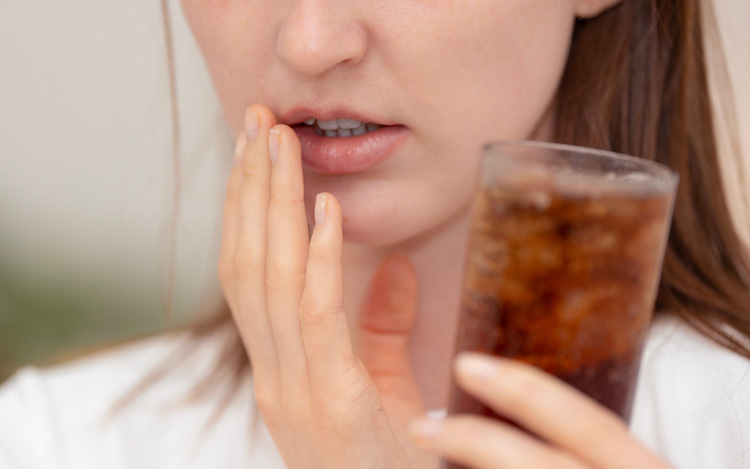
A closer look at why teeth lose their brightness over time and what can actually work to diminish the appearance of stains and discoloration.
A dull or yellowing smile rarely happens overnight. Teeth staining is usually the result of small, everyday habits building up over months and years, along with factors that are simply part of getting older. Understanding where discoloration actually comes from makes it much easier to protect your smile and to know which treatment approach can genuinely address the problem.
The good news is that most staining, regardless of its cause, can be improved with the right cosmetic dentistry treatment, including options such as teeth whitening, porcelain veneers, and cosmetic bonding. Which option makes the most sense really depends on what’s driving the discoloration in the first place, so it’s worth understanding the different types of staining before deciding on a solution.
The Two Types of Tooth Discoloration
Before looking at specific causes, it helps to understand that not all staining is the same. Our dentists in Scottsdale generally divide it into two categories:
Extrinsic stains develop on the outer surface of the tooth, in the enamel. These are caused by substances that come into direct contact with your teeth, and they’re typically the easiest type of discoloration to treat.
Intrinsic stains occur beneath the enamel, in the dentin layer of the tooth. These stains form from the inside out and usually require a more targeted whitening approach or, in some cases, a restorative option, since they aren’t sitting on the surface.
Most people experience a combination of both types by the time they reach adulthood, which is one reason professional evaluation matters before choosing a whitening method.
Common Causes of Extrinsic Staining
Foods and Beverages
Deeply pigmented foods and drinks are among the most frequent culprits behind surface staining. Coffee, tea, red wine, dark berries, tomato-based sauces, and cola drinks all contain chromogens, which are intensely colored compounds that cling to the microscopic ridges in tooth enamel. Over time, repeated exposure allows these pigments to build up layer by layer.
Acidic Foods and Drinks
Acidic items don’t just stain teeth directly, they also soften and slightly erode enamel, making it more porous and easier for pigments to latch onto. Citrus fruits, sodas, sports drinks, and vinegar-based dressings can all contribute to this effect when consumed frequently.
Tobacco Use
Both smoking and smokeless tobacco products are major contributors to tooth discoloration. Tar and nicotine create a yellowish-brown residue that can be stubborn to remove and tends to deepen with continued use.
Inconsistent Oral Hygiene
When plaque and food particles aren’t cleared away through regular brushing and flossing, they can harden into tartar, which often has a yellow or brown tint. This buildup not only dulls the appearance of teeth but can also trap additional stain-causing particles against the enamel.
Common Causes of Intrinsic Staining
The Natural Aging Process
As we age, enamel naturally thins from years of chewing, grinding, and exposure to acids. As enamel wears down, the yellowish dentin layer underneath becomes more visible, giving teeth a duller or more yellowed appearance even without any external staining agents.
Certain Medications
Some medications are known to cause intrinsic discoloration, particularly when taken during childhood while teeth are still developing. Tetracycline antibiotics are the most well-documented example, but certain antihistamines, blood pressure medications, and antipsychotics have also been associated with staining in some patients.
Excess Fluoride Exposure
While fluoride plays an important role in preventing cavities, excessive exposure during early childhood tooth development can sometimes lead to a condition called fluorosis, which appears as white or brownish streaks and spots on the enamel.
Trauma or Injury
A blow to the mouth (even one that occurred years ago) can disrupt enamel formation or damage the internal structure of a tooth, sometimes causing it to darken over time as a result.
Genetics
Some people are simply born with naturally thicker, whiter enamel, while others have enamel that is thinner or more prone to yellowing. Genetics also influence how a person’s teeth respond to whitening treatments.
Why Understanding the Cause Matters
As mentioned earlier, extrinsic and intrinsic stains don’t always respond to the same treatment. Surface stains from food, drinks, and tobacco often improve significantly with professional whitening. Intrinsic stains, especially those caused by medication or developmental factors, may need a more restorative approach. This is why a professional evaluation is so valuable. Our dentists can determine what’s really behind your discoloration and recommend a treatment that’s suited to the actual cause, rather than a one-size-fits-all fix.
Treatment Options to Consider
Depending on the type and severity of your staining, a few different approaches may be recommended:
Professional Teeth Whitening – Uses a concentrated whitening gel, applied in-office or through custom take-home trays, to lift surface stains and brighten overall tooth shade.
Cosmetic Dental Bonding – A tooth-colored resin is applied and shaped to mask stubborn discoloration, chips, or uneven coloring on individual teeth.
Porcelain Veneers – Thin, custom-crafted shells are bonded to the front and sides of the teeth, offering a long-lasting solution for stains that may not respond well to whitening alone.
Key Takeaways
- Tooth discoloration falls into two categories: extrinsic (surface) stains and intrinsic (internal) stains.
- Common causes of surface staining include coffee, tea, red wine, tobacco use, and inconsistent oral hygiene.
- Intrinsic staining can result from aging, certain medications, excess fluoride exposure during childhood, dental trauma, or genetics.
- The right treatment depends on the type and cause of the staining, which is why a professional evaluation is important before starting any whitening regimen.
If you’re ready to find out what’s causing your teeth to look dull or discolored — and which treatment can help you achieve a brighter smile — please contact Scottsdale Smile Center today to schedule a consultation.