
Home/Comprehensive Dental Care/Periodontal Care

Scottsdale Smile Center offers state-of-the-art treatments to help prevent periodontal (gum) disease. Periodontal disease is extremely common and unfortunately, often progresses for many years undetected and therefore untreated. Why? Periodontal disease is not a disease that only happens to people with poor hygiene. Of course, proper hygiene helps, but gum disease has a strong underlying genetic component. This is why we often see patients with good hygiene still suffer from gum disease and, conversely, why we see patients with not so good hygiene somehow get away with it.

Periodontal disease is a chronic bacterial infection of the gums, unique in that this type of infection usually does not hurt. This may leave patients with a false sense of security as most of us (and usually for good reason) have come to believe that if something doesn’t hurt, everything must be okay. This is not true! And if you think about it, high blood pressure, diabetes, and many other diseases are also not associated with pain, but can be very harmful when left untreated.

Treatment for periodontal disease can prevent the condition from causing serious damage to your teeth and gums. Gums that are infected by bacteria can lead to tooth loss and even problems with your overall health if left untreated. Considered among the top dentists in Scottsdale, one of our doctors can perform non-surgical procedures designed to stop the progression of periodontal disease and improve the health of your gums. Plus, we offer laser-assisted gum treatments that have proven quite effective in the fight against gum disease. Our laser techniques have the ability to destroy bacteria, stimulate the growth of healthy tissues, and reduce your recovery time after traditional gum treatment.
What Is Periodontal Disease?

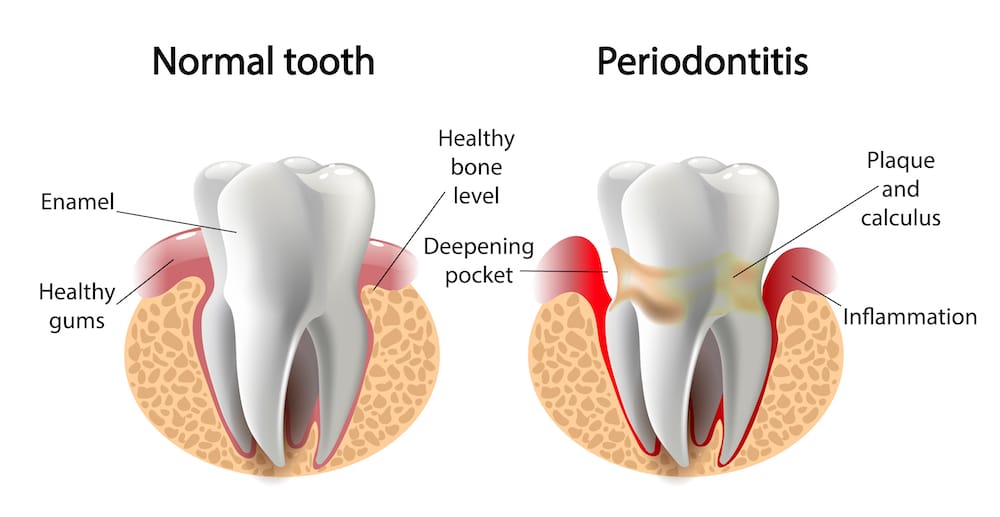
Periodontal disease is a chronic infection of the gums, uniquely different than any other type of infections. The condition is characterized by an infection of the soft gum tissues around the teeth. Gum disease is extremely common—most individuals will develop some form of it in their lifetime. The condition can even affect those who have taken excellent care of their oral health for many years. If periodontal disease is allowed to progress without treatment, it can get significantly worse, ultimately having serious effects on the teeth and gums and even increasing risks to an individual’s general health. Scottsdale Smile Center offers an array of effective treatment options that can address gum disease and prevent the condition from advancing into more severe stages.

What Are Common Causes of Periodontal Disease?

Periodontal disease develops when bacteria invade the gum tissue. These bacteria attach themselves to the teeth and gums, resulting in the formation of plaque. Good brushing and flossing habits can help reduce plaque; however, even the most rigorous oral hygiene routines can miss plaque in areas that are hard to reach with a regular toothbrush. Ultimately, the plaque will turn into a hard substance called calculus (tartar), which can continuously build around the teeth. This causes inflammation that destroys the bone that secures the roots of your teeth in your mouth. The bone loss is generally irreversible and, if extensive, can lead to loose teeth that will need to be extracted. Getting professional dental cleanings on a regular basis can remove plaque and calculus to help prevent gum disease, but advanced gum disease may require more extensive periodontal treatment to effectively remove tartar and prevent an existing condition from getting worse.

Some of the more common factors that can lead to the development of periodontal disease include:

  • Poor at-home oral hygiene routines
  • Use of tobacco products
  • Infrequent visits to the dentist for exams and professional dental care
  • Clenching and grinding of the teeth (bruxism)
  • Hormonal changes
  • Poor nutrition
  • Certain medical conditions or illnesses
  • Certain types of medication
  • Family history of periodontal disease

What Are the Symptoms of Periodontal Disease?

Periodontal disease can be present without showing any overt symptoms, which makes it even more important to be sure to maintain the recommended number of annual dental check-ups. With that in mind, gum disease can also produce a range of noticeable effects that can alert you to the problem. The most common symptoms of periodontal disease include:

  • Swollen, inflamed, and/or bleeding gums
  • Gums that are separated from the teeth
  • Teeth that are shifting position
  • Persistent bad breath (halitosis)
  • Gum sensitivity
  • Loose teeth
  • A discharge of pus or fluid between the teeth or along the gums
  • A change in the way the teeth come together
  • Tooth loss
  • A difference in the fit of dentures or other oral appliances
  • Gum recession
  • Bad taste in the mouth

In addition to its effects on oral health, untreated gum disease has been linked to countless other health problems, ranging from heart disease, stroke, dementia, depression, certain cancers, and even erectile dysfunction. The common link: inflammation. We now know that the bacteria involved in gum disease also get into the bloodstream and wreak havoc throughout the rest of our body. Our dental team can provide a comprehensive evaluation of your teeth and gums to determine the severity of periodontal disease and explore the most ideal treatment options.

Are There Different Stages of Gum Disease?

A diagnosis of gum disease will be based on the condition’s current stage of severity. The stages of gum disease are:

Gingivitis

The first stage of gum disease is called gingivitis. This typically occurs when plaque has not been adequately eradicated with at-home oral hygiene routines. In many cases, gingivitis leads to gums that bleed easily while brushing and flossing between the teeth. Since gingivitis is considered the earliest stage of gum disease, the condition can often be reversed with professional dental treatment.

Periodontitis

Periodontitis is the second stage of gum disease and is characterized by the bacteria’s irreversible effects on connective tissues and bone. When periodontal disease has advanced to this stage, deep pockets may develop, allowing food and plaque to become trapped below the gumline. Professional periodontal care and some improvements in at-home oral hygiene habits can address periodontitis and prevent the condition from progressing into the next stage of the disease.

Advanced Periodontitis

Advanced periodontitis is the most serious kind of periodontal disease and must be treated as quickly as possible. This stage of gum disease is typically diagnosed when bone and connective tissues have been nearly destroyed or completely destroyed by the condition, which can ultimately lead to loose teeth and severe oral and general health risks. Advanced periodontitis can also produce significant levels of pain, and may require aggressive periodontal treatment to effectively combat the condition.

What Gum Disease Treatments Are Available?

For milder forms of gum disease, a standard dental cleaning may be all that’s necessary for successful treatment. In more advanced cases of periodontal disease, a scaling and root planing procedure may be advised. Also known as a “deep cleaning,” this treatment removes plaque and calculus well below the gumline to eliminate the bacteria and disinfect periodontal pockets. A scaling and root planing also smooths the surface of the tooth roots to help healthy gum tissue re-attach to each tooth.

Our practice also offers state-of-the-art laser periodontal therapies that can enhance the treatment process:

Laser Gum Treatment

Laser dentistry techniques have revolutionized the treatment of gum disease, killing harmful bacteria and removing infected, inflamed tissue to allow the gums to heal properly and be maintained in a healthy state. Some of the advantages of laser gum therapy include:

  • Virtually painless treatment
  • Faster healing
  • Less bleeding and swelling
  • Little to no recovery time

In addition to gum disease treatment, laser technology can be used in cosmetic gum reshaping procedures to reduce the appearance of a “gummy smile.”

Additional Frequently Asked Questions About Periodontal Care

Why are my gums receding?

Gum recession can occur for several reasons, and it is not always the result of poor oral hygiene. In many cases, genetics play a significant role in how thick or resilient the gum tissue is. Other contributing factors may include aggressive brushing, clenching or grinding the teeth, tobacco use, inflammation caused by plaque buildup, or long-standing periodontal disease. As the gums pull away from the teeth, the roots may become exposed, increasing sensitivity and the risk of further damage if left untreated.

How often should I visit the dentist for gum disease treatment?

The frequency of dental visits for periodontal care depends on the severity of your condition. Patients with healthy gums may only need routine cleanings and exams every six months, while those with gum disease often benefit from more frequent visits, such as every three to four months. These appointments allow your dentist to monitor inflammation, remove harmful bacteria, and help prevent the disease from progressing.

Can gum disease be reversed without surgery?

In its earliest stage, known as gingivitis, gum disease can often be reversed with professional cleanings and consistent improvements to at-home oral hygiene. Once the disease advances to periodontitis, the damage to bone and connective tissue cannot be fully reversed. However, non-surgical treatments such as deep cleanings and laser-assisted periodontal therapy can effectively control the infection, reduce inflammation, and help preserve the remaining healthy structures.

What are some home remedies for gum disease?

While home care alone cannot cure periodontal disease, good daily habits are essential for managing it. Brushing twice a day with a soft-bristled toothbrush, flossing carefully, and using an antimicrobial mouth rinse can help reduce plaque and bacteria. Maintaining a balanced diet, staying hydrated, and avoiding tobacco products can also support healthier gums. These measures are most effective when combined with professional periodontal treatment.

Can gum disease cause tooth loss?

Gum disease can seriously weaken the foundation that keeps teeth stable in the mouth. As bacteria spread below the gumline, they trigger inflammation that gradually breaks down the bone and tissues supporting each tooth. Over time, this loss of support can make teeth feel loose or unstable and, in advanced cases, may necessitate tooth removal. Prompt periodontal care plays a key role in helping to slow this process and protect your natural teeth for as long as possible.

Scottsdale Smile Center can help you meet your periodontal needs safely and effectively with our advanced gum care procedures. If you are experiencing the symptoms of gum disease, please contact Scottsdale Smile Center today. We will be happy to evaluate your needs and talk with you about your treatment options.